What to Expect from a Full-Service Interior Design Process
A beautifully designed home rarely happens by accident. It is shaped through listening, observation, planning, refinement, and a clear understanding of how the people who live there want to feel every day.
At Michele Bitter Designs, the full-service interior design process is about much more than selecting beautiful furnishings or finishes. It is about creating a home that feels deeply personal, highly functional, and fully considered from the first conversation to the final installation.
For many clients, the process begins with a feeling. They may know their home no longer reflects how they live. They may be preparing for a renovation, rethinking the way a space functions, or wanting a more complete and layered environment. Sometimes they have a clear vision. Other times, they simply know they want the home to feel more refined, more comfortable, and more connected to their life.
That is where a thoughtful full-service design process becomes essential.
Understanding the Home and the People Who Live There
Every project begins with understanding. Before design decisions are made, the most important work is learning how a client lives, what they value, what feels missing, and what they hope the home will become.
A home should not feel generic. It should reflect the people who live there, while also supporting the practical rhythms of daily life. This includes how rooms are used, how people gather, where storage is needed, how light moves through the space, and what level of comfort, polish, and personality the home should express.
This early stage helps shape the design direction in a way that feels personal rather than imposed.
Creating a Clear Design Vision
Once the goals of the project are understood, the design process moves into vision and planning.
This may include space planning, furniture layouts, color direction, finish concepts, material selections, lighting ideas, custom millwork opportunities, and the overall emotional tone of the home. The goal is to create a cohesive direction before major decisions are made.
A strong design vision creates clarity. It helps every later choice feel connected, from cabinetry and stone to fabrics, furnishings, art, hardware, and final decorative layers.
For full-service interior design, this clarity is especially important because many details need to work together. A successful home is not built from isolated choices. It is built from decisions that relate to one another.
Supporting Renovations and Custom Details
For renovation projects, the design process often includes a deeper level of planning and coordination.
Renovations can involve kitchens, bathrooms, architectural details, custom millwork, built-ins, lighting, finishes, flooring, and construction-related decisions. These choices affect not only how a home looks, but how it functions every day.
Custom millwork, for example, can completely change the way a room feels and works. Built-ins, cabinetry, storage, paneling, and tailored architectural details can bring structure, beauty, and purpose to a space. When thoughtfully designed, these details make a home feel more intentional and more complete.
This is where full-service design becomes especially valuable. It helps the many moving parts of a renovation feel more organized, more refined, and more aligned with the final vision.
Furnishings, Lighting, Color, and Layering
Once the larger design direction is established, the process moves into the pieces that bring warmth, comfort, and personality into the home.
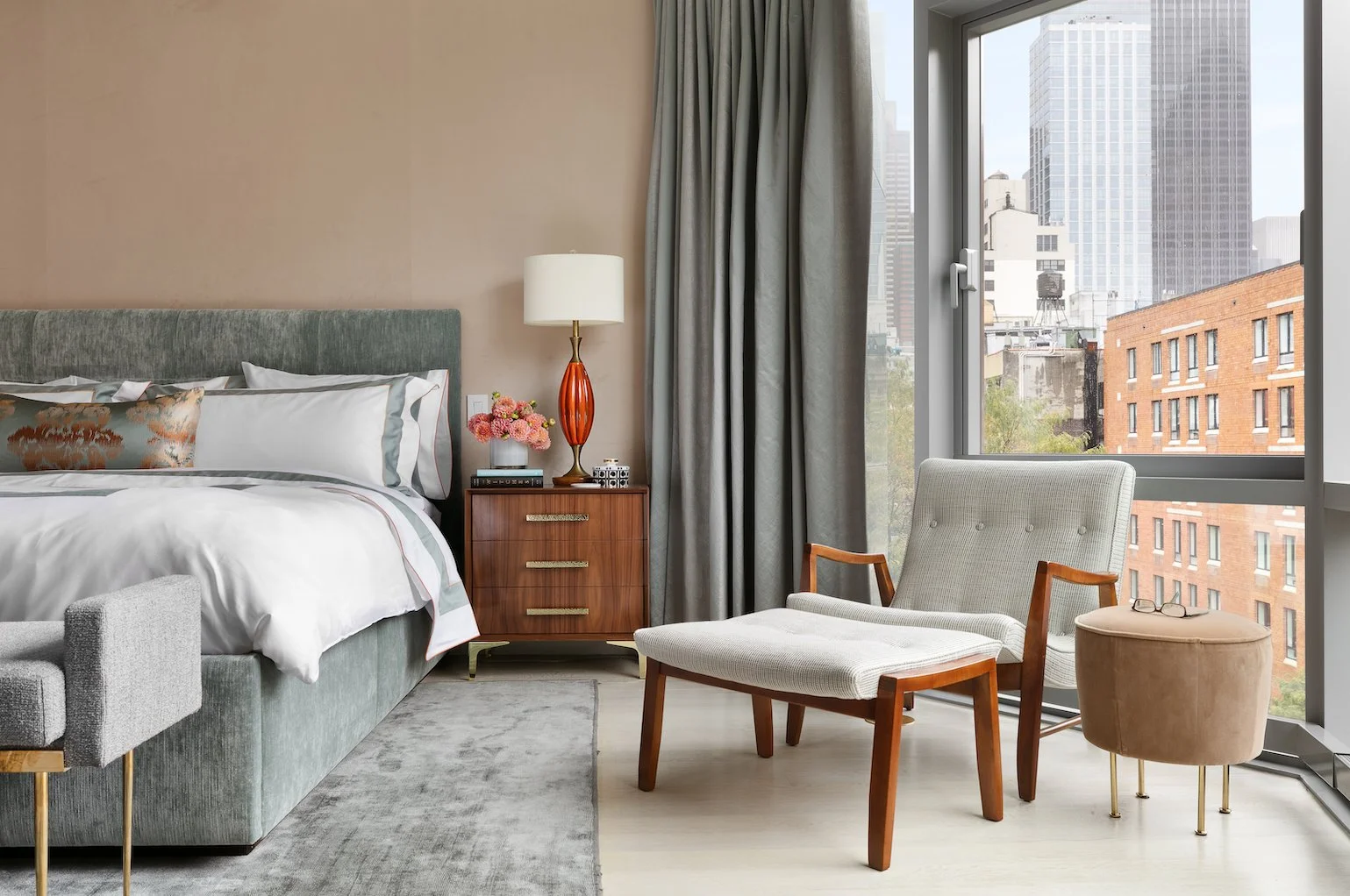
Furnishings, textiles, rugs, lighting, wall coverings, window treatments, art, accessories, and color all play an important role in creating a finished residence. These layers are what make a home feel lived in, collected, and deeply personal.
The best interiors do not feel overly staged. They feel natural, refined, and connected to the people who live there. They have balance, but also character. They are polished, but still comfortable. They are beautiful, but never disconnected from real life.
That balance is at the heart of Michele Bitter Designs’ approach.
Procurement, Coordination, and Installation
A full-service interior design process also includes the detailed work that happens behind the scenes.
This can include sourcing, procurement, vendor communication, coordination with artisans and trades, order management, delivery planning, and installation. These steps are not always visible at first glance, but they are essential to creating a smooth and complete experience.
The final installation is where the vision comes together. Furniture is placed, lighting is adjusted, art is installed, accessories are layered, and the home begins to feel whole.
It is often the most emotional part of the process because the client can finally see how every decision, detail, and layer connects.
A Home Designed for Beauty, Function, and Livability
The most successful interiors are not only beautiful. They work beautifully.
They support daily routines, family life, entertaining, quiet moments, and the practical needs of the people who live there. They feel personal without feeling cluttered. Refined without feeling cold. Designed without feeling untouchable.
A full-service interior design process allows every part of the home to be considered with care, from the architecture and renovation details to the furnishings, color, lighting, and final layers.
At its best, the process creates more than a finished room. It creates a home that feels intentional, personal, functional, and deeply livable.
That is the true value of full-service design.